Recovering from pain or injury is rarely a simple process. Many people experience lingering discomfort, limited mobility, or recurring symptoms long after the original problem occurs. Modern healthcare increasingly recognizes that effective recovery often requires more than a single treatment method. Instead, a combination of therapies, procedures, and supportive services can work together to restore function, relieve discomfort, and improve overall health.
Integrated care approaches bring toget
Recovering from pain or injury is rarely a simple process. Many people experience lingering discomfort, limited mobility, or recurring symptoms long after the original problem occurs. Modern healthcare increasingly recognizes that effective recovery often requires more than a single treatment method. Instead, a combination of therapies, procedures, and supportive services can work together to restore function, relieve discomfort, and improve overall health.
Integrated care approaches bring together multiple disciplines to address both the root causes of pain and the symptoms that affect daily life. This type of treatment strategy focuses on improving the body’s ability to heal while also supporting long-term wellness. Patients today have access to a wide range of advanced treatments designed to target specific problems, from regenerative medicine techniques to specialized rehabilitation programs. These options allow care providers to develop customized plans that reflect each patient’s unique condition and recovery goals.
Pain and injury recovery may involve addressing structural problems, restoring physical strength, or improving neurological function after a serious medical event. In many cases, successful outcomes depend on combining different medical specialties. For example, rehabilitation therapies can work alongside minimally invasive procedures, supportive devices, and targeted treatments to address multiple aspects of recovery at once. This comprehensive approach can reduce recovery time, prevent further injury, and help individuals regain confidence in their physical abilities.
Modern healthcare providers also emphasize preventive strategies and ongoing support throughout the healing process. Patients who receive coordinated care often experience better results because treatments are designed to complement each other rather than operate independently. By understanding the range of available therapies and how they work together, individuals can make informed decisions about their recovery journey and take meaningful steps toward restoring mobility, reducing pain, and improving overall quality of life.
Balancing the Body to Support Energy and Recovery
One of the often-overlooked factors in pain management and injury recovery is hormonal balance. Hormones influence numerous bodily processes, including metabolism, inflammation levels, energy production, and tissue repair. When these systems fall out of balance, recovery may become slower and more difficult. Addressing hormonal health can therefore play an important role in supporting the body’s natural healing abilities.
Hormone replacement therapy is commonly used to restore hormone levels that have declined due to aging, medical conditions, or other physiological changes. By rebalancing key hormones, patients may experience improvements in energy, mood, and overall physical resilience. These changes can be particularly beneficial for individuals dealing with chronic pain or long recovery periods after injuries.
When hormone levels are stabilized, the body is often better equipped to repair damaged tissues and maintain healthy immune responses. Patients undergoing rehabilitation or physical recovery programs may find that hormone replacement therapy helps support endurance, reduce fatigue, and improve the body’s ability to respond to treatment. While it is not a direct solution for pain or injury, it can be a valuable part of a comprehensive recovery plan.
Medical providers typically evaluate hormone levels through diagnostic testing before recommending treatment. When used appropriately, hormone replacement therapy can help create a more supportive internal environment for healing, allowing other therapies and rehabilitation methods to be more effective.
Nutrient Delivery Methods That Support Healing
Proper nutrition is a fundamental part of the recovery process. The body relies on essential vitamins, minerals, and hydration to repair tissues, maintain immune function, and restore energy levels after injury or illness. However, certain conditions can make it difficult for patients to absorb nutrients efficiently through diet alone. In these cases, alternative delivery methods may provide additional support.
Local IV therapy is one approach that allows nutrients, fluids, and vitamins to be delivered directly into the bloodstream. Because this method bypasses the digestive system, it allows the body to absorb nutrients more quickly and effectively. Patients recovering from injury or surgery may benefit from targeted nutrient support designed to promote hydration and cellular repair.
This therapy can also help address fatigue, dehydration, and nutrient deficiencies that sometimes accompany long-term pain conditions. By improving hydration and replenishing essential nutrients, local IV therapy may support overall wellness and enhance the body’s capacity to heal. Many patients report increased energy and improved recovery experiences when these treatments are included as part of a broader care plan.
While not a replacement for healthy eating habits, this type of treatment can serve as a valuable supplement to other recovery strategies. Healthcare providers typically evaluate a patient’s nutritional needs and health status before recommending local IV therapy as part of a treatment plan.
Restoring Strength, Flexibility, and Movement
After an injury, one of the most important steps toward recovery is regaining strength and mobility. Muscles, joints, and connective tissues can weaken during periods of inactivity or after trauma. Without proper rehabilitation, this weakness may lead to stiffness, limited range of motion, and an increased risk of further injury.
Physical therapy rehab programs are designed to help patients gradually rebuild strength and restore functional movement. These programs typically include guided exercises, stretching routines, and specialized therapeutic techniques tailored to each individual’s condition. By targeting specific muscle groups and movement patterns, patients can regain stability and improve their ability to perform everyday activities.
Therapists often focus on improving posture, balance, and coordination as well. These elements are essential for preventing recurring injuries and ensuring that the body moves efficiently during physical activity. Physical therapy rehab can be beneficial for a wide range of conditions, including sports injuries, post-surgical recovery, and chronic musculoskeletal pain.
Consistent participation in a rehabilitation program allows patients to track progress and adjust treatment as needed. Over time, many individuals experience improved flexibility, reduced discomfort, and greater confidence in their physical capabilities.
Rebuilding Function After Neurological Injury
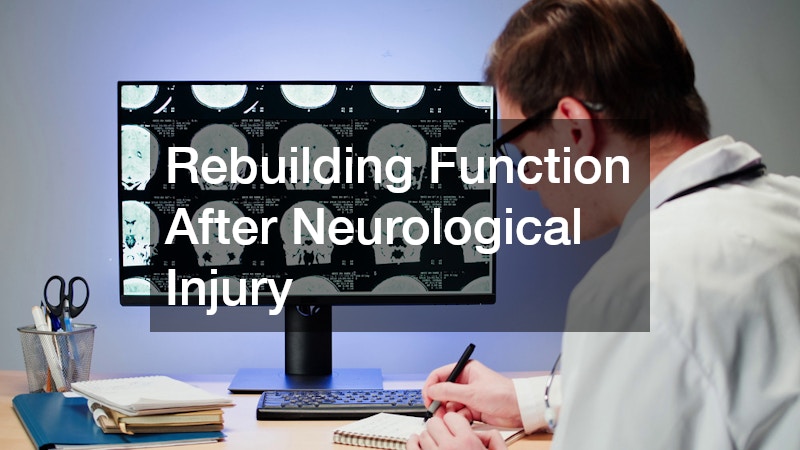
Neurological injuries can present some of the most challenging recovery scenarios. Events such as strokes may affect muscle control, balance, speech, and cognitive function. Recovery often requires specialized therapies designed to help the brain and body adapt to new challenges.
Stroke rehab focuses on restoring independence and helping patients relearn important skills. This process may involve physical exercises, occupational therapy, and speech therapy, depending on the specific effects of the neurological injury. Rehabilitation specialists work closely with patients to rebuild coordination and improve daily functioning.
The brain has an incredible ability to adapt through a process known as neuroplasticity. Stroke rehab programs aim to stimulate this process by encouraging the brain to form new connections that support movement and coordination. Repetition, guided exercises, and targeted training are key components of this approach.
Recovery from a stroke can take time, but consistent therapy often leads to meaningful improvements in mobility and independence. With the right combination of medical care and rehabilitation, many patients regain important abilities and improve their overall quality of life.
Regenerative Options for Joint and Tissue Repair
Advancements in regenerative medicine have opened new possibilities for treating injuries involving joints, tendons, and soft tissues. Instead of simply managing symptoms, these treatments focus on encouraging the body to repair damaged structures more effectively.
PRP treatment is one regenerative technique that uses components from a patient’s own blood to stimulate healing. Platelet-rich plasma contains growth factors that may support tissue repair and reduce inflammation in affected areas. This therapy is commonly used for joint injuries, tendon damage, and certain chronic pain conditions.
The procedure involves collecting a small blood sample, processing it to concentrate the platelets, and injecting the prepared solution into the targeted area. PRP treatment aims to enhance the body’s natural healing processes rather than relying solely on medications for symptom relief.
Many patients explore regenerative options when conventional treatments have not provided sufficient improvement. When used alongside rehabilitation and other supportive therapies, PRP treatment may help promote stronger tissue repair and improved joint function.
Procedures Designed to Correct Structural Issues
In some cases, pain and limited mobility are caused by structural problems within the body. Misaligned joints, damaged tissues, or mechanical abnormalities can place ongoing stress on muscles and nerves. When conservative therapies are not enough, targeted procedures may be necessary to correct the underlying issue.
A corrective procedure is designed to address structural abnormalities that contribute to pain or dysfunction. These procedures can vary widely depending on the specific condition, ranging from minimally invasive techniques to more complex surgical interventions. The goal is to restore proper alignment and reduce stress on surrounding tissues.
Corrective procedure options are often recommended after careful evaluation by medical specialists. Imaging tests and diagnostic assessments help determine the source of the problem and guide treatment decisions. When the underlying structural issue is resolved, patients may experience significant improvements in mobility and comfort.
These procedures are often combined with rehabilitation programs to help the body adjust and maintain proper movement patterns after treatment.
Hands-On Care for Alignment and Mobility
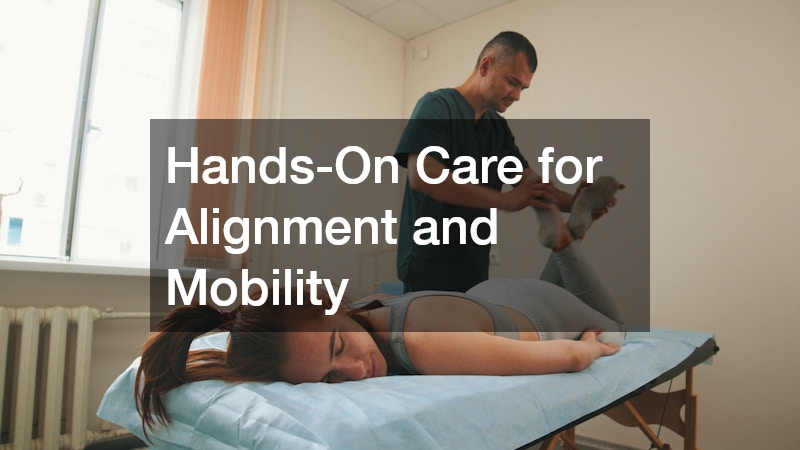
Manual therapies can also play a valuable role in modern recovery strategies. These treatments focus on improving joint mobility, relieving muscle tension, and restoring proper alignment within the musculoskeletal system.
Chiropractors specialize in hands-on techniques designed to support spinal health and overall mobility. Through adjustments and targeted manipulations, chiropractors aim to reduce pressure on nerves and improve the body’s natural movement patterns. Many patients seek this type of care for back pain, neck pain, or joint discomfort.
Regular sessions with chiropractors may also complement other recovery treatments. By maintaining proper spinal alignment and improving flexibility, patients can often experience reduced discomfort and improved range of motion.
Manual therapy techniques may also help reduce muscle tension and improve circulation. These effects can contribute to overall comfort and support the healing process when integrated with other forms of care.
Targeted Techniques for Spinal Pain Relief
Spinal pain can significantly affect daily life, limiting movement and causing persistent discomfort. When traditional treatments such as medication or physical therapy are not sufficient, targeted procedures may be recommended to address the source of the problem more directly.
A spine target needle procedure is a minimally invasive technique used to deliver medication or therapeutic substances to a specific area of the spine. By precisely targeting inflamed nerves or joints, this procedure can help reduce pain and improve mobility.
These treatments are often guided by imaging technology to ensure accurate placement of the needle. The goal is to relieve pressure or inflammation in the affected area without requiring major surgery. For many patients, a spine target needle procedure can provide meaningful relief while allowing them to continue participating in rehabilitation programs.
This approach is typically part of a broader treatment plan designed to address both symptoms and underlying causes of spinal pain.
Comprehensive Care for Managing Health Conditions
Chronic health conditions often complicate the recovery process. Pain, fatigue, and other symptoms may make it difficult for patients to fully participate in rehabilitation or daily activities. Effective recovery plans must therefore address these broader health concerns.
Illness treatment focuses on managing underlying medical conditions that may affect healing and overall well-being. This may involve medication management, lifestyle adjustments, or specialized therapies tailored to the patient’s diagnosis. By controlling symptoms and stabilizing health conditions, patients may experience improved energy levels anda greater ability to engage in recovery activities.
Coordinated care among healthcare providers is essential when managing complex conditions. Physicians, therapists, and other specialists often work together to ensure that illness treatment aligns with rehabilitation and pain management strategies.
Addressing both injury-related concerns and overall health allows patients to pursue recovery with greater confidence and improved outcomes.
Customized Support for Improved Movement and Stability
Supportive devices can make a significant difference in helping patients maintain proper movement patterns during recovery. When joints or muscles are weakened, additional support may help reduce strain and prevent further injury.
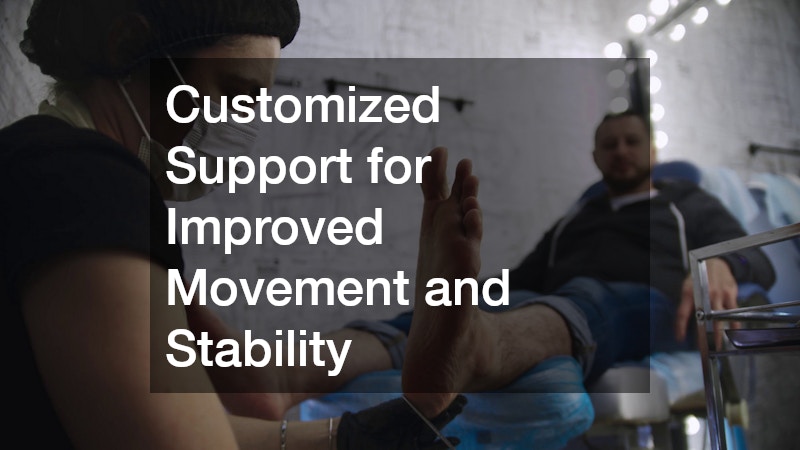
An orthotic service provides customized devices designed to improve stability, alignment, and comfort during movement. These devices may include specialized shoe inserts, braces, or other supportive equipment tailored to a patient’s specific needs. By correcting imbalances and distributing weight more evenly, orthotics can help reduce stress on joints and muscles.
Patients recovering from injuries, surgeries, or chronic conditions may benefit from these supportive solutions. Orthotic service providers often work closely with rehabilitation specialists to ensure that devices complement therapy goals and support proper movement.
When combined with strengthening exercises and rehabilitation programs, orthotic devices can help patients move more confidently and maintain long-term mobility.
Modern approaches to pain and injury recovery are far more comprehensive than they were in the past. Instead of relying on a single treatment method, healthcare providers increasingly focus on integrated care strategies that address multiple aspects of healing at once. This approach recognizes that pain, mobility limitations, and chronic conditions often have interconnected causes that require coordinated solutions.
By combining therapies that support physical rehabilitation, structural correction, and overall wellness, patients can experience more effective recovery outcomes. Treatments designed to improve hormonal balance, deliver targeted nutrients, and stimulate tissue repair can complement rehabilitation programs that rebuild strength and mobility. At the same time, specialized procedures and supportive devices may help correct underlying issues and reduce the risk of recurring injuries.
Recovery is often a gradual process that requires patience, consistency, and the right combination of treatments. By working with experienced healthcare professionals and exploring multiple therapeutic options, patients can develop personalized plans that support both short-term relief and long-term health. Integrated care strategies empower individuals to take an active role in their recovery journey while benefiting from the advances of modern medicine.
As healthcare continues to evolve, the integration of diverse treatment methods will likely play an even greater role in improving patient outcomes. With access to comprehensive care and innovative therapies, many people are now able to regain mobility, manage pain more effectively, and return to the activities that matter most in their lives.
her multiple disciplines to address both the root causes of pain and the symptoms that affect daily life. This type of treatment strategy focuses on improving the body’s ability to heal while also supporting long-term wellness. Patients today have access to a wide range of advanced treatments designed to target specific problems, from regenerative medicine techniques to specialized rehabilitation programs. These options allow care providers to develop customized plans that reflect each patient’s unique condition and recovery goals.
Pain and injury recovery may involve addressing structural problems, restoring physical strength, or improving neurological function after a serious medical event. In many cases, successful outcomes depend on combining different medical specialties. For example, rehabilitation therapies can work alongside minimally invasive procedures, supportive devices, and targeted treatments to address multiple aspects of recovery at once. This comprehensive approach can reduce recovery time, prevent further injury, and help individuals regain confidence in their physical abilities.
Modern healthcare providers also emphasize preventive strategies and ongoing support throughout the healing process. Patients who receive coordinated care often experience better results because treatments are designed to complement each other rather than operate independently. By understanding the range of available therapies and how they work together, individuals can make informed decisions about their recovery journey and take meaningful steps toward restoring mobility, reducing pain, and improving overall quality of life.
Balancing the Body to Support Energy and Recovery
One of the often-overlooked factors in pain management and injury recovery is hormonal balance. Hormones influence numerous bodily processes, including metabolism, inflammation levels, energy production, and tissue repair. When these systems fall out of balance, recovery may become slower and more difficult. Addressing hormonal health can therefore play an important role in supporting the body’s natural healing abilities.
Hormone replacement therapy is commonly used to restore hormone levels that have declined due to aging, medical conditions, or other physiological changes. By rebalancing key hormones, patients may experience improvements in energy, mood, and overall physical resilience. These changes can be particularly beneficial for individuals dealing with chronic pain or long recovery periods after injuries.
When hormone levels are stabilized, the body is often better equipped to repair damaged tissues and maintain healthy immune responses. Patients undergoing rehabilitation or physical recovery programs may find that hormone replacement therapy helps support endurance, reduce fatigue, and improve the body’s ability to respond to treatment. While it is not a direct solution for pain or injury, it can be a valuable part of a comprehensive recovery plan.
Medical providers typically evaluate hormone levels through diagnostic testing before recommending treatment. When used appropriately, hormone replacement therapy can help create a more supportive internal environment for healing, allowing other therapies and rehabilitation methods to be more effective.
Nutrient Delivery Methods That Support Healing
Proper nutrition is a fundamental part of the recovery process. The body relies on essential vitamins, minerals, and hydration to repair tissues, maintain immune function, and restore energy levels after injury or illness. However, certain conditions can make it difficult for patients to absorb nutrients efficiently through diet alone. In these cases, alternative delivery methods may provide additional support.
Local IV therapy is one approach that allows nutrients, fluids, and vitamins to be delivered directly into the bloodstream. Because this method bypasses the digestive system, it allows the body to absorb nutrients more quickly and effectively. Patients recovering from injury or surgery may benefit from targeted nutrient support designed to promote hydration and cellular repair.
This therapy can also help address fatigue, dehydration, and nutrient deficiencies that sometimes accompany long-term pain conditions. By improving hydration and replenishing essential nutrients, local IV therapy may support overall wellness and enhance the body’s capacity to heal. Many patients report increased energy and improved recovery experiences when these treatments are included as part of a broader care plan.
While not a replacement for healthy eating habits, this type of treatment can serve as a valuable supplement to other recovery strategies. Healthcare providers typically evaluate a patient’s nutritional needs and health status before recommending local IV therapy as part of a treatment plan.
Restoring Strength, Flexibility, and Movement
After an injury, one of the most important steps toward recovery is regaining strength and mobility. Muscles, joints, and connective tissues can weaken during periods of inactivity or after trauma. Without proper rehabilitation, this weakness may lead to stiffness, limited range of motion, and an increased risk of further injury.
Physical therapy rehab programs are designed to help patients gradually rebuild strength and restore functional movement. These programs typically include guided exercises, stretching routines, and specialized therapeutic techniques tailored to each individual’s condition. By targeting specific muscle groups and movement patterns, patients can regain stability and improve their ability to perform everyday activities.
Therapists often focus on improving posture, balance, and coordination as well. These elements are essential for preventing recurring injuries and ensuring that the body moves efficiently during physical activity. Physical therapy rehab can be beneficial for a wide range of conditions, including sports injuries, post-surgical recovery, and chronic musculoskeletal pain.
Consistent participation in a rehabilitation program allows patients to track progress and adjust treatment as needed. Over time, many individuals experience improved flexibility, reduced discomfort, and greater confidence in their physical capabilities.
Rebuilding Function After Neurological Injury
Neurological injuries can present some of the most challenging recovery scenarios. Events such as strokes may affect muscle control, balance, speech, and cognitive function. Recovery often requires specialized therapies designed to help the brain and body adapt to new challenges.
Stroke rehab focuses on restoring independence and helping patients relearn important skills. This process may involve physical exercises, occupational therapy, and speech therapy, depending on the specific effects of the neurological injury. Rehabilitation specialists work closely with patients to rebuild coordination and improve daily functioning.
The brain has an incredible ability to adapt through a process known as neuroplasticity. Stroke rehab programs aim to stimulate this process by encouraging the brain to form new connections that support movement and coordination. Repetition, guided exercises, and targeted training are key components of this approach.
Recovery from a stroke can take time, but consistent therapy often leads to meaningful improvements in mobility and independence. With the right combination of medical care and rehabilitation, many patients regain important abilities and improve their overall quality of life.
Regenerative Options for Joint and Tissue Repair
Advancements in regenerative medicine have opened new possibilities for treating injuries involving joints, tendons, and soft tissues. Instead of simply managing symptoms, these treatments focus on encouraging the body to repair damaged structures more effectively.
PRP treatment is one regenerative technique that uses components from a patient’s own blood to stimulate healing. Platelet-rich plasma contains growth factors that may support tissue repair and reduce inflammation in affected areas. This therapy is commonly used for joint injuries, tendon damage, and certain chronic pain conditions.
The procedure involves collecting a small blood sample, processing it to concentrate the platelets, and injecting the prepared solution into the targeted area. PRP treatment aims to enhance the body’s natural healing processes rather than relying solely on medications for symptom relief.
Many patients explore regenerative options when conventional treatments have not provided sufficient improvement. When used alongside rehabilitation and other supportive therapies, PRP treatment may help promote stronger tissue repair and improved joint function.
Procedures Designed to Correct Structural Issues
In some cases, pain and limited mobility are caused by structural problems within the body. Misaligned joints, damaged tissues, or mechanical abnormalities can place ongoing stress on muscles and nerves. When conservative therapies are not enough, targeted procedures may be necessary to correct the underlying issue.
A corrective procedure is designed to address structural abnormalities that contribute to pain or dysfunction. These procedures can vary widely depending on the specific condition, ranging from minimally invasive techniques to more complex surgical interventions. The goal is to restore proper alignment and reduce stress on surrounding tissues.
Corrective procedure options are often recommended after careful evaluation by medical specialists. Imaging tests and diagnostic assessments help determine the source of the problem and guide treatment decisions. When the underlying structural issue is resolved, patients may experience significant improvements in mobility and comfort.
These procedures are often combined with rehabilitation programs to help the body adjust and maintain proper movement patterns after treatment.
Hands-On Care for Alignment and Mobility
Manual therapies can also play a valuable role in modern recovery strategies. These treatments focus on improving joint mobility, relieving muscle tension, and restoring proper alignment within the musculoskeletal system.
Chiropractors specialize in hands-on techniques designed to support spinal health and overall mobility. Through adjustments and targeted manipulations, chiropractors aim to reduce pressure on nerves and improve the body’s natural movement patterns. Many patients seek this type of care for back pain, neck pain, or joint discomfort.
Regular sessions with chiropractors may also complement other recovery treatments. By maintaining proper spinal alignment and improving flexibility, patients can often experience reduced discomfort and improved range of motion.
Manual therapy techniques may also help reduce muscle tension and improve circulation. These effects can contribute to overall comfort and support the healing process when integrated with other forms of care.
Targeted Techniques for Spinal Pain Relief
Spinal pain can significantly affect daily life, limiting movement and causing persistent discomfort. When traditional treatments such as medication or physical therapy are not sufficient, targeted procedures may be recommended to address the source of the problem more directly.
A spine target needle procedure is a minimally invasive technique used to deliver medication or therapeutic substances to a specific area of the spine. By precisely targeting inflamed nerves or joints, this procedure can help reduce pain and improve mobility.
These treatments are often guided by imaging technology to ensure accurate placement of the needle. The goal is to relieve pressure or inflammation in the affected area without requiring major surgery. For many patients, a spine target needle procedure can provide meaningful relief while allowing them to continue participating in rehabilitation programs.
This approach is typically part of a broader treatment plan designed to address both symptoms and underlying causes of spinal pain.
Comprehensive Care for Managing Health Conditions
Chronic health conditions often complicate the recovery process. Pain, fatigue, and other symptoms may make it difficult for patients to fully participate in rehabilitation or daily activities. Effective recovery plans must therefore address these broader health concerns.
Illness treatment focuses on managing underlying medical conditions that may affect healing and overall well-being. This may involve medication management, lifestyle adjustments, or specialized therapies tailored to the patient’s diagnosis. By controlling symptoms and stabilizing health conditions, patients may experience improved energy levels anda greater ability to engage in recovery activities.
Coordinated care among healthcare providers is essential when managing complex conditions. Physicians, therapists, and other specialists often work together to ensure that illness treatment aligns with rehabilitation and pain management strategies.
Addressing both injury-related concerns and overall health allows patients to pursue recovery with greater confidence and improved outcomes.
Customized Support for Improved Movement and Stability
Supportive devices can make a significant difference in helping patients maintain proper movement patterns during recovery. When joints or muscles are weakened, additional support may help reduce strain and prevent further injury.
An orthotic service provides customized devices designed to improve stability, alignment, and comfort during movement. These devices may include specialized shoe inserts, braces, or other supportive equipment tailored to a patient’s specific needs. By correcting imbalances and distributing weight more evenly, orthotics can help reduce stress on joints and muscles.
Patients recovering from injuries, surgeries, or chronic conditions may benefit from these supportive solutions. Orthotic service providers often work closely with rehabilitation specialists to ensure that devices complement therapy goals and support proper movement.
When combined with strengthening exercises and rehabilitation programs, orthotic devices can help patients move more confidently and maintain long-term mobility.
Modern approaches to pain and injury recovery are far more comprehensive than they were in the past. Instead of relying on a single treatment method, healthcare providers increasingly focus on integrated care strategies that address multiple aspects of healing at once. This approach recognizes that pain, mobility limitations, and chronic conditions often have interconnected causes that require coordinated solutions.
By combining therapies that support physical rehabilitation, structural correction, and overall wellness, patients can experience more effective recovery outcomes. Treatments designed to improve hormonal balance, deliver targeted nutrients, and stimulate tissue repair can complement rehabilitation programs that rebuild strength and mobility. At the same time, specialized procedures and supportive devices may help correct underlying issues and reduce the risk of recurring injuries.
Recovery is often a gradual process that requires patience, consistency, and the right combination of treatments. By working with experienced healthcare professionals and exploring multiple therapeutic options, patients can develop personalized plans that support both short-term relief and long-term health. Integrated care strategies empower individuals to take an active role in their recovery journey while benefiting from the advances of modern medicine.
As healthcare continues to evolve, the integration of diverse treatment methods will likely play an even greater role in improving patient outcomes. With access to comprehensive care and innovative therapies, many people are now able to regain mobility, manage pain more effectively, and return to the activities that matter most in their lives.