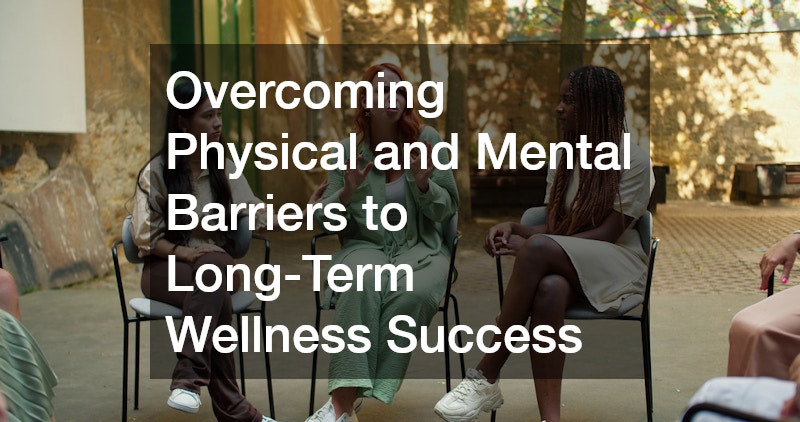
Every year, millions of people embark on a quest to improve their health. They invest in gym memberships, stock their pantries with organic produce, and vow that this time will be different. Yet, within a matter of weeks, a familiar pattern emerges. The initial wave of enthusiasm recedes, old habits reassert themselves, and the journey toward improved health grinds to a painful halt. This cycle of starting and stopping leads many to a discouraging and incorrect conclusion: that they simply do not possess the willpower required to achieve long-term success.
The truth is far more complex. Sustainable vitality is rarely a test of raw discipline. Rather, it is a delicate equation where hidden biological limitations, subconscious psychological blocks, and systemic lifestyle barriers intersect. When you try to force a lifestyle change without addressing the underlying structural and emotional obstacles, you are essentially trying to build a house on quicksand. True, lasting wellness requires a paradigm shift. You must move away from superficial quick-fixes and instead systematically identify and dismantle the physical and mental barriers holding you back. This comprehensive guide serves as your roadmap to breaking through those invisible ceilings, helping you assemble a multidisciplinary support network to cultivate an energized, resilient life.
Dismantling Psychological Blocks and Behavior Patterns

The most profound obstacles to a healthy lifestyle are often completely invisible, operating quietly within the subconscious mind. Long before a physical habit manifests, a mental narrative dictates your choices. Chronic stress, unresolved emotional trauma, and internalized shame act as silent saboteurs, constantly undermining your best intentions.
Many individuals suffer from an all-or-nothing cognitive trap. When a minor setback occurs, such as missing a scheduled workout or overindulging at a single meal, this mentality triggers a wave of self-defeating thoughts. Instead of treating the event as a minor variance, the individual internalizes it as a total failure, leading to a complete abandonment of their goals. To break this cycle, you must learn to separate your self-worth from daily health metrics and replace self-criticism with objective curiosity.
- Track Emotional Triggers: Keep a daily journal that records not just what you eat or how you move, but how you feel before and after those actions. This helps expose the direct links between emotional distress and coping behaviors like sedentary isolation or compulsive eating.
- Practice Cognitive Reframing: When a negative thought arises, consciously challenge its validity. Replace internal phrases like “I ruined everything today” with balanced realities like “I had a single unbalanced meal, and my next choice will align with my long-term goals.”
Attempting to untangle these deep-seated emotional knots entirely on your own can be an overwhelming task. Sourcing professional counseling services provides you with an objective, evidence-based space to explore the root causes of self-sabotaging behavior patterns. A licensed therapist can teach you practical cognitive behavioral strategies to interrupt automatic negative thoughts before they dictate your physical actions. By partnering with a structured counseling service, you learn to develop a compassionate and resilient psychological framework, transforming your mental landscape from a battlefield into a supportive environment that fosters permanent, healthy habits.
Optimizing Foundational Medical and Metabolic Health

Once the psychological groundwork is established, you must confront the biological realities of your body. A common mistake in the wellness industry is the assumption that every metabolism functions identically. In reality, attempting to out-exercise or out-diet a silent, underlying physiological imbalance is a recipe for physical exhaustion and mental despair.
Before throwing yourself into a restrictive new fitness regimen or an intense caloric deficit, it is essential to establish your exact biological baseline. Chronic underlying issues such as advanced insulin resistance, severe vitamin D deficiencies, thyroid dysregulation, or systemic inflammation can put a physical ceiling on your progress. If your hormones are actively signaling your body to store fat and conserve energy, forcing yourself through exhausting workouts will only elevate your cortisol levels, exacerbating the problem.
- Demand Detailed Laboratory Work: Request an expansive diagnostic evaluation that includes a full lipid profile, a fasting insulin test, a comprehensive metabolic panel, and an evaluation of your endocrine system to catch hidden roadblocks early.
- Prioritize Sleep Architecture: Chronic sleep deprivation acts as a massive metabolic barrier, disrupting the delicate balance of ghrelin and leptin, the hormones responsible for regulating hunger and satiety signals.
To navigate these complex internal systems safely, your first step should always be an exhaustive consultation with a qualified local doctor. A primary care provider can interpret your blood work through a clinical lens, ensuring that you resolve any underlying medical deficiencies before demanding peak performance from your tissues. For individuals who have spent years battling severe, stubborn metabolic resistance, generic diet advice is often insufficient. In these instances, exploring structured medical weight loss programs can be life-changing. These clinical frameworks combine specialized medical oversight with targeted therapies to safely alter your metabolic set point, providing a scientifically sound foundation that makes long-term weight management and vitality achievable.
Healing the Mind-Body Connection from Substance and Neurological Limits
Achieving optimal health requires a completely clear line of communication between your brain and your physical systems. When that connection is disrupted by chemical dependencies or neurological trauma, the body’s primary reward centers and regulatory mechanisms become profoundly compromised, creating an immense barrier to personal growth.
Chronic reliance on chemical substances completely rewires the neural pathways of the brain. When an individual regularly introduces external toxins, the brain downregulates its natural production of dopamine and serotonin. Consequently, natural and healthy wellness triggers, such as the natural endorphins from a morning jog or the steady energy from clean nutrition, fail to register as rewarding. The individual is left in a state of chronic neurochemical depletion, making the lifestyle choices required for long-term health feel emotionally unviable and physically exhausting.
- Acknowledge the Biological Hijack: Understand that substance dependency is a complex neurological condition, not a moral failing or a simple lack of willpower. The brain must be given the time and clinical support required to heal structurally.
- Establish Environmental Separation: True neurochemical restoration requires a structured, safe environment completely removed from everyday stressors and toxic triggers, allowing the central nervous system to recalibrate.
Overcoming these severe biochemical hurdles requires highly specialized clinical intervention. Utilizing professional drug addiction treatment programs ensures that the detoxification and neurological stabilization process is managed by medical experts who understand how to safely restore neurotransmitter equilibrium. For those requiring a more immersive recovery environment, transitioning into a dedicated alcohol rehab facility offers a holistic blend of medical monitoring, peer support, and intensive behavioral therapy. These structured environments focus on repairing the damaged mind-body connection, giving the brain the stability it needs to rediscover joy in healthy, natural lifestyle practices.
Resolving Cognitive and Nutritional Barriers to Lasting Vitality
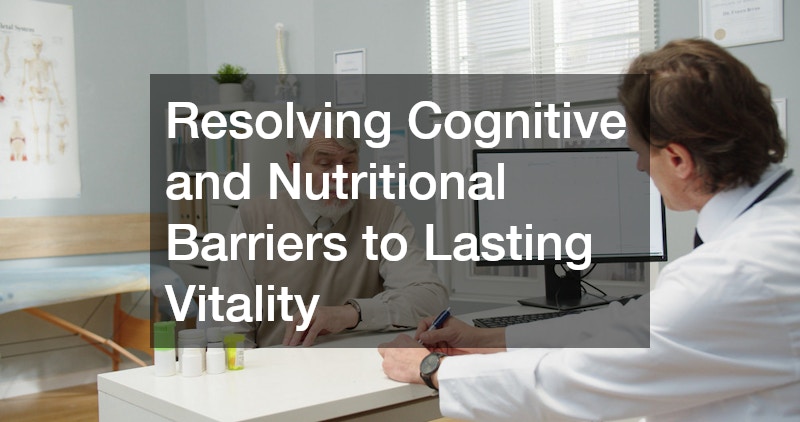
Even with a clear mind and a stable metabolism, day-to-day execution can be hindered by cognitive challenges or a lack of accurate, foundational education. Navigating executive dysfunction or cutting through the modern matrix of nutritional misinformation requires a structured, strategic approach to how you plan your daily routine.
Neurological challenges, whether arising from developmental conditions, a history of stroke, or traumatic brain injuries, can severely impair executive functioning. When a person struggles with working memory, motor planning, and time perception, the daily tasks of wellness, such as preparing whole-food meals or maintaining a consistent exercise schedule, become incredibly daunting. To build a sustainable routine, wellness protocols must be adapted to fit your specific cognitive architecture, utilizing pacing strategies that prevent neural fatigue.
- Implement Cognitive Offloading: Do not rely on mental energy to remember your health routines. Use smartphone alerts, visual habit trackers on your refrigerator, and pre-packed workout gear to reduce the cognitive load required to make healthy choices.
- Embrace Neuroplasticity via Pacing: Break complex physical movements down into small, easily digestible steps, allowing your nervous system to build new pathways without triggering physical or mental burnout.
For those navigating profound cognitive or physical recovery, collaborating with a dedicated local neuro rehab team is an invaluable asset. These specialized physical and occupational therapists can design customized movement grids that respect your neurological boundaries while safely expanding your physical capabilities. Simultaneously, you must address the nutritional confusion that plagues modern society. Rather than hopping between restrictive social media diet trends, incorporating professional nutrition counseling into your routine provides you with an individualized, evidence-based eating strategy. A specialized counselor can teach you how to fuel your cells, optimize your gut microbiome, and stabilize your energy levels, transforming food from a source of anxiety into a powerful tool for lasting vitality.
Integrating Community Resources and Balancing Body Realities
The final step in securing long-term health success involves learning how to efficiently navigate the healthcare landscape and managing the dramatic structural changes that accompany a profound physical transformation. True wellness is not a solo journey; it requires the strategic integration of community and clinical resources.
As you build your health strategy, you will interact with various medical professionals. Navigating these environments effectively requires you to act as an assertive advocate for your own care. You must ensure that your different care providers are communicating with one another and that your long-term goals are central to every treatment plan.
- Prepare for Clinical Consultations: Before walking into any medical appointment, write down a detailed list of your current symptoms, energy fluctuations, and specific lifestyle questions to maximize your time with the clinician.
- Maintain Centralized Records: Keep a digital folder containing all your recent lab results, specialist notes, and current supplement dosages so you can easily share them across different medical environments.
Knowing what specific questions to ask when visiting various doctor offices ensures that your entire medical support network remains perfectly aligned with your active lifestyle goals. Furthermore, as you achieve monumental milestones, such as dramatic weight reduction or extensive physical rehabilitation, you may confront unexpected structural challenges. The human skin and underlying connective tissues can only stretch and contract so much; following a massive physical evolution, individuals are often left dealing with significant amounts of excess skin or weakened structural contours that cause physical chafing, back pain, and emotional distress. Consulting a board-certified local plastic surgeon allows you to explore reconstructive options to alleviate these physical burdens. Addressing these final structural realities can dramatically improve your mobility, eliminate chronic skin irritation, and provide a triumphant final closure to your physical transformation.
The Complete Wellness Action Plan
To help you synthesize these strategies and take immediate control of your journey, utilize this practical action plan to systematically audit and optimize your support grid:
- Psychological and Behavioral Baseline:
- Schedule an initial consultation with a licensed counselor to explore recurring behavioral bottlenecks.
- Establish a daily mindfulness practice to consciously interrupt the all-or-nothing mindset.
- Clinical and Metabolic Verification:
- Visit a primary care provider to secure a comprehensive metabolic and hormonal blood panel.
- Investigate structured clinical weight management programs if standard methods yield no results.
- Cognitive and Neurological Alignment:
- Create a visual, simplified daily routine to reduce cognitive decision fatigue.
- Consult specialized rehabilitation professionals if underlying neurological limitations hinder your movement.
- Nutritional and Structural Optimization:
- Partner with a credentialed dietary professional to build a sustainable, non-restrictive fueling plan.
- Keep detailed medical logs to ensure seamless communication across all professional offices.
Conclusion
Overcoming the physical and mental barriers to long-term wellness is a profound journey of self-discovery, strategy, and structural support. When you stop viewing health through the narrow, unforgiving lens of raw willpower, you unlock the ability to solve the actual root problems holding you back. Sustainable vitality is a beautiful mosaic composed of emotional resilience, metabolic balance, neurological support, proper cellular fueling, and structural care. By taking the time to systematically identify your personal obstacles and assembling a dedicated team of credentialed professionals, you completely eliminate the guesswork and frustration that derail so many paths. Remember that true health is not an overnight destination or a temporary state of restriction; it is a lifelong practice of honoring your body’s unique biological and psychological needs. Use this comprehensive guide to claim agency over your life, dismantle your hidden boundaries, and build an enduring foundation of health, strength, and peace of mind.